
Inaugural Home Improvement Projects: Where to Start on a Budget sets the stage for this enthralling narrative, offering readers a glimpse into a story that is rich in detail with casual formal language style and brimming with originality from the outset.
Planning your first home improvement project can be both exciting and overwhelming. From setting a budget to choosing the right project, there are key considerations to keep in mind. Let's dive into the world of home improvement on a budget and discover where to begin.
Planning Your Inaugural Home Improvement Project
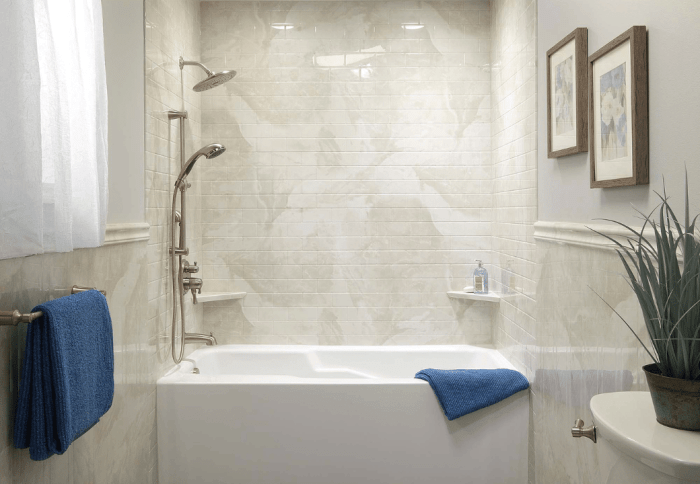
Before embarking on your first home improvement project, it is crucial to have a well-thought-out plan in place. Planning ahead can help you avoid costly mistakes, ensure the project runs smoothly, and ultimately achieve your desired results.
The Importance of Planning
Planning is essential as it allows you to Artikel your goals, assess the scope of the project, and determine the necessary steps to take. Without a solid plan, you may find yourself overwhelmed and unprepared for the challenges that may arise during the renovation process.
Key Factors to Consider
- Define your goals: Clearly Artikel what you want to achieve with the home improvement project. Whether it's adding more space, enhancing functionality, or increasing the property value, having a clear vision will guide your decisions.
- Evaluate your budget: Assess how much you are willing to spend on the project and allocate funds accordingly. Consider factors such as material costs, labor expenses, and unexpected contingencies.
- Research and gather ideas: Take the time to research different design options, materials, and contractors. Gathering inspiration and understanding your options will help you make informed choices.
- Timeline and scheduling: Establish a realistic timeline for the project, taking into account any potential delays or setbacks. Create a schedule outlining key milestones and deadlines to keep the project on track.
Setting a Budget
Setting a budget is crucial as it helps you prioritize tasks and expenses based on your financial limitations. By defining a budget from the outset, you can make informed decisions about where to allocate funds, identify areas where cost savings can be made, and prevent overspending.
Choosing the Right Project for Your Budget
When embarking on a home improvement project, it is crucial to consider your budget constraints. Here, we will explore budget-friendly projects ideal for beginners, along with tips on assessing their impact and cost-effectiveness.
Painting
- Painting a room can instantly transform its look and feel at a relatively low cost.
- Assess the size of the room, the amount of paint needed, and any additional supplies required such as brushes, tape, and drop cloths.
- Consider the impact of different paint colors on the space and choose a hue that complements your existing decor.
Installing a Tile Backsplash
- Adding a tile backsplash can enhance the visual appeal of your kitchen or bathroom without breaking the bank.
- Calculate the square footage of the area to be tiled and select an appropriate tile material within your budget.
- Ensure you have the necessary tools and supplies for the installation process, such as adhesive, grout, spacers, and a tile cutter.
Updating Cabinet Hardware
- Replacing cabinet knobs and pulls is a simple yet effective way to give your kitchen or bathroom a fresh look.
- Compare prices and styles of hardware options to find affordable yet stylish pieces that complement your cabinetry.
- Consider the time commitment required for this project and ensure you have the right tools, such as a screwdriver, to complete the installation.
Essential Tools and Materials for Home Improvement
When tackling home improvement projects, having the right tools and materials is essential for a successful outcome. Here, we'll discuss the basic list of tools every DIY enthusiast should have, cost-effective alternatives to stay within budget, and why using quality materials is crucial for long-lasting results.
Basic Tools for Home Improvement
- Hammer: A versatile tool for various tasks like hanging pictures, assembling furniture, or general repairs.
- Screwdriver set: Both flathead and Phillips screwdrivers are necessary for most projects.
- Tape measure: Accurate measurements are key to ensuring a project fits correctly.
- Utility knife: Useful for cutting materials like drywall, carpet, or packaging.
- Adjustable wrench: Great for tightening or loosening nuts and bolts of different sizes.
Cost-Effective Alternatives for Tools
Consider borrowing or renting tools for one-time projects to save money. Look for quality used tools at thrift stores or online marketplaces.
Importance of Quality Materials
Using high-quality materials may cost more upfront but can save money in the long run by preventing the need for frequent repairs or replacements. Quality materials also ensure a professional-looking finish and increase the overall value of your home.
DIY vs. Hiring Professionals
When it comes to home improvement projects, one of the biggest decisions you'll have to make is whether to tackle the work yourself or hire a professional. Each option comes with its own set of advantages and disadvantages, so it's important to weigh your options carefully before making a decision.
Advantages and Disadvantages
- DIY:
- Advantages:
- Cost-effective as you save on labor costs.
- You have full control over the project timeline and design.
- Can be a rewarding experience and a chance to learn new skills.
- Disadvantages:
- May take longer to complete the project if you lack experience.
- Quality of work may not be as professional as hiring a skilled tradesperson.
- Risk of costly mistakes that could require professional intervention to fix.
- Advantages:
- Hiring Professionals:
- Advantages:
- Expertise and experience ensure high-quality workmanship.
- Save time as professionals work efficiently and can complete tasks faster.
- Access to specialized tools and materials that may not be readily available to DIYers.
- Disadvantages:
- Higher upfront costs due to labor expenses.
- Less control over the project process and design decisions.
- Dependency on professionals for all aspects of the project.
- Advantages:
When to Hire a Professional
- Structural Changes: For major renovations or structural alterations, it's best to hire a professional to ensure safety and compliance with building codes.
- Plumbing and Electrical Work: Tasks involving plumbing or electrical systems should be handled by licensed professionals to avoid safety hazards.
- Complex Projects: Projects that require specialized skills or tools, such as roofing or HVAC installation, are best left to professionals for optimal results.
Saving Money with DIY and Professionals
- DIY Prep Work: Save money by preparing the project site, removing debris, and doing basic tasks before professionals arrive, reducing their workload.
- Combo Approach: Consider a hybrid approach where you handle simpler tasks yourself and hire professionals for more complex or technical aspects of the project.
- Comparing Bids: Get multiple quotes from professionals to compare costs and services, ensuring you get the best value for your money.
Tips for Maximizing Savings and Resources
When embarking on a home improvement project, it's essential to find ways to maximize savings and make the most of your available resources. Here are some strategies to help you achieve that:
Finding Affordable Materials and Supplies
One way to save money on your home improvement project is by looking for affordable materials and supplies. Consider visiting discount stores, checking out online marketplaces, or even attending local auctions or estate sales to find quality items at a fraction of the cost.
Repurposing or Recycling Existing Items
Another great way to cut costs is by repurposing or recycling existing items in your home. Get creative and think of ways you can use old furniture, fixtures, or materials in a new and innovative way to save money on purchasing new items.
Prioritizing Tasks to Make the Most of Your Budget
To make the most of your budget and resources, it's important to prioritize tasks based on urgency and impact. Focus on essential repairs or upgrades that will have the biggest impact on the overall look and functionality of your space.
By prioritizing tasks, you can ensure that your budget is allocated efficiently.
Safety Measures and Precautions
When it comes to home improvement projects, safety should always be a top priority. Taking the necessary precautions can help prevent accidents and injuries, ensuring a smooth and successful renovation process.
Checklist of Safety Measures and Precautions
- Wear appropriate safety gear such as goggles, gloves, and sturdy footwear to protect yourself from potential hazards.
- Make sure to turn off electricity and water sources before starting any work to avoid electrical shocks or water damage.
- Use ladders and scaffolding properly, ensuring they are stable and secure before climbing on them.
- Keep your work area clean and organized to prevent trips, slips, and falls.
- Handle tools and materials with care, following manufacturer instructions and guidelines to avoid accidents.
Common Safety Hazards and How to Avoid Them
- Tripping hazards: Remove clutter and debris from work areas to prevent trips and falls.
- Chemical exposure: Use proper ventilation and protective equipment when working with hazardous chemicals.
- Lifting injuries: Lift heavy objects with your legs, not your back, to avoid strains and injuries.
- Fire hazards: Keep flammable materials away from heat sources and have a fire extinguisher on hand for emergencies.
- Working at heights: Use fall protection equipment when working on roofs or elevated surfaces to prevent falls.
Ending Remarks
As we conclude our discussion on Inaugural Home Improvement Projects: Where to Start on a Budget, remember that embarking on this journey can be a fulfilling experience. By carefully planning, making informed choices, and prioritizing safety, you can transform your living space within budget constraints.
Start your home improvement projects with confidence and watch your vision come to life.
Answers to Common Questions
What are some common safety hazards in home improvement projects?
Common safety hazards include electrical mishaps, falls from heights, and exposure to harmful chemicals. To avoid these, always follow safety guidelines and use protective gear.
How can I find affordable materials for my home improvement project?
You can search for discounts at local hardware stores, look for online deals, or consider buying gently used items. Additionally, exploring recycling centers for materials can also be cost-effective.
When is it best to hire a professional for a home improvement task?
It's advisable to hire a professional for tasks that require specialized skills, such as electrical or plumbing work. If you're unsure about your abilities or the task's complexity, consulting a professional is a wise choice.

