
Exploring the realm of Long Home Improvement Warranties: What’s Covered in 2025, this introduction sets the stage for an insightful discussion that delves into the evolution and significance of these warranties.
Providing a detailed overview of the coverage details and exclusions, this piece aims to enlighten readers on the nuances of long home improvement warranties in the year 2025.
Overview of Long Home Improvement Warranties in 2025
In recent years, there has been a significant evolution in home improvement warranties, with a growing trend towards longer coverage periods. Homeowners are now opting for extended warranties that provide coverage for a wide range of home improvement projects, from renovations to installations.
Having a long warranty for home improvements is crucial as it offers peace of mind to homeowners, knowing that potential issues or defects that may arise post-project completion are covered. This not only protects their investment but also ensures that they can enjoy their upgraded living spaces without worrying about unexpected expenses.
Benefits of Long Warranties for Homeowners and Contractors
- Increased Protection: Long warranties offer comprehensive coverage for a longer period, safeguarding homeowners against unforeseen repair costs.
- Enhanced Value: Homes with long warranties on improvements are more attractive to potential buyers, as it indicates quality workmanship and provides reassurance.
- Peace of Mind: Homeowners can rest easy knowing that their investments are protected, allowing them to fully enjoy their upgraded spaces without stress.
- Improved Relationships: Contractors who offer long warranties build trust with their clients and are more likely to receive repeat business and referrals.
Coverage Details in Long Home Improvement Warranties
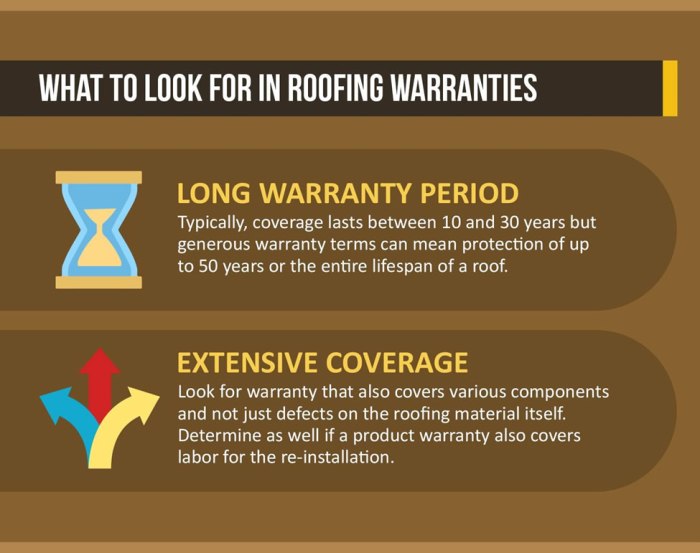
When it comes to long home improvement warranties, it is crucial to understand what is covered to ensure that your investment is protected. These warranties typically cover a range of items to provide peace of mind to homeowners.
Common Items Covered
- Roofing: Protection against leaks and structural damage.
- Plumbing: Coverage for issues such as burst pipes or water heater malfunctions.
- Electrical: Protection for faulty wiring or electrical system failures.
- Appliances: Repairs or replacements for essential household appliances.
- HVAC Systems: Maintenance and repair services for heating, ventilation, and air conditioning systems.
New Additions to Coverage in 2025
- Smart Home Technology: In 2025, many long home improvement warranties are starting to cover smart home devices such as thermostats, security cameras, and smart locks.
- Structural Improvements: Some warranties now include coverage for structural improvements like additions or renovations to the home.
- Green Upgrades: With a focus on sustainability, warranties may cover upgrades such as solar panels or energy-efficient appliances.
Significance of Comprehensive Coverage
Long home improvement warranties with comprehensive coverage offer homeowners peace of mind knowing that a wide range of potential issues are taken care of. This type of coverage can save homeowners significant costs in repairs and replacements, especially for major systems like roofing, plumbing, and HVAC.
With the added coverage of new items like smart home technology and structural improvements, homeowners can feel more secure in their investment and the long-term maintenance of their property.
Exclusions and Limitations in Long Home Improvement Warranties

When it comes to long home improvement warranties, it's essential to understand the exclusions and limitations that may impact your coverage. These factors can significantly affect what is and isn't covered under your warranty, ultimately influencing the protection you have for your home improvements.
Typical Exclusions in Long Home Improvement Warranties
- Pre-existing conditions: Most warranties do not cover issues that were present before the home improvement work was done.
- Normal wear and tear: Warranties usually do not cover damages that occur due to regular use or aging of materials.
- Acts of nature: Damages caused by natural disasters like floods, earthquakes, or hurricanes are typically not covered.
- Improper maintenance: If the homeowner fails to properly maintain the improvements, the warranty may be void.
Impact of Limitations in Warranties on Homeowners
- Financial burden: Homeowners may end up having to pay out of pocket for repairs that are not covered by the warranty.
- Limited protection: Restrictions in the warranty can leave homeowners vulnerable to unexpected expenses and liabilities.
- Frustration and inconvenience: Dealing with limitations in warranties can lead to stress and inconvenience when trying to resolve issues with home improvements.
Strategies to Address Limitations for Better Warranty Coverage
- Regular maintenance: By properly maintaining your home improvements, you can avoid issues that may not be covered by the warranty.
- Understanding the warranty: Take the time to read and understand the terms and conditions of your warranty to know what is covered and what is not.
- Consider additional coverage: If the standard warranty has limitations, you may want to explore options for extended or supplemental coverage to fill the gaps.
Technology Integration in 2025 Home Improvement Warranties
In the realm of home improvement warranties in 2025, technology plays a crucial role in enhancing the overall experience for both homeowners and warranty providers. The integration of advanced technologies such as IoT devices, smart systems, AI, and automated systems has revolutionized the way warranty claims are managed and processed.
Coverage of IoT Devices and Smart Systems
- Smart thermostats, security cameras, and other IoT devices are now commonly covered under home improvement warranties.
- Homeowners can receive replacements or repairs for faulty IoT devices without incurring additional costs.
- Smart systems like automated lighting and irrigation systems are also included in the coverage, providing peace of mind to homeowners.
Role of AI and Automated Systems in Warranty Claims
- AI-powered systems are used to streamline the warranty claims process, reducing the time it takes to resolve issues.
- Automated systems can assess the validity of claims, schedule service appointments, and track the progress of repairs efficiently.
- This reduces the administrative burden on warranty providers and ensures a faster resolution for homeowners.
Benefits of Technology Integration
- For homeowners, technology integration means quicker and more convenient resolution of warranty claims, leading to enhanced customer satisfaction.
- Warranty providers benefit from improved efficiency, reduced costs, and better data analytics through the integration of technology.
- Overall, technology integration in 2025 home improvement warranties results in a more seamless and transparent process for all parties involved.
Conclusive Thoughts
In conclusion, Long Home Improvement Warranties: What’s Covered in 2025 offers homeowners and contractors a comprehensive understanding of the benefits, limitations, and technological advancements shaping warranties in the modern era.
Detailed FAQs
What items are commonly covered under long home improvement warranties?
Common items covered include major appliances, HVAC systems, roofing, plumbing, and electrical systems.
How can limitations in warranties impact homeowners?
Limitations in warranties can lead to unexpected out-of-pocket expenses for homeowners when certain repairs or replacements are not covered.
What are some strategies to address limitations for better warranty coverage?
One strategy is to negotiate with the warranty provider to customize coverage based on specific needs, or to purchase additional coverage for excluded items.

